
Ask an AI tool to recommend a plumber, a physio or an accountant in your area and it will confidently name a few businesses. Those names come from the open web: business profiles, reviews, directories and the content on your site. The engines favour businesses that are clearly described, consistently referenced, well reviewed and genuinely relevant to the question. Most of those signals are in your control, and this guide works through them.
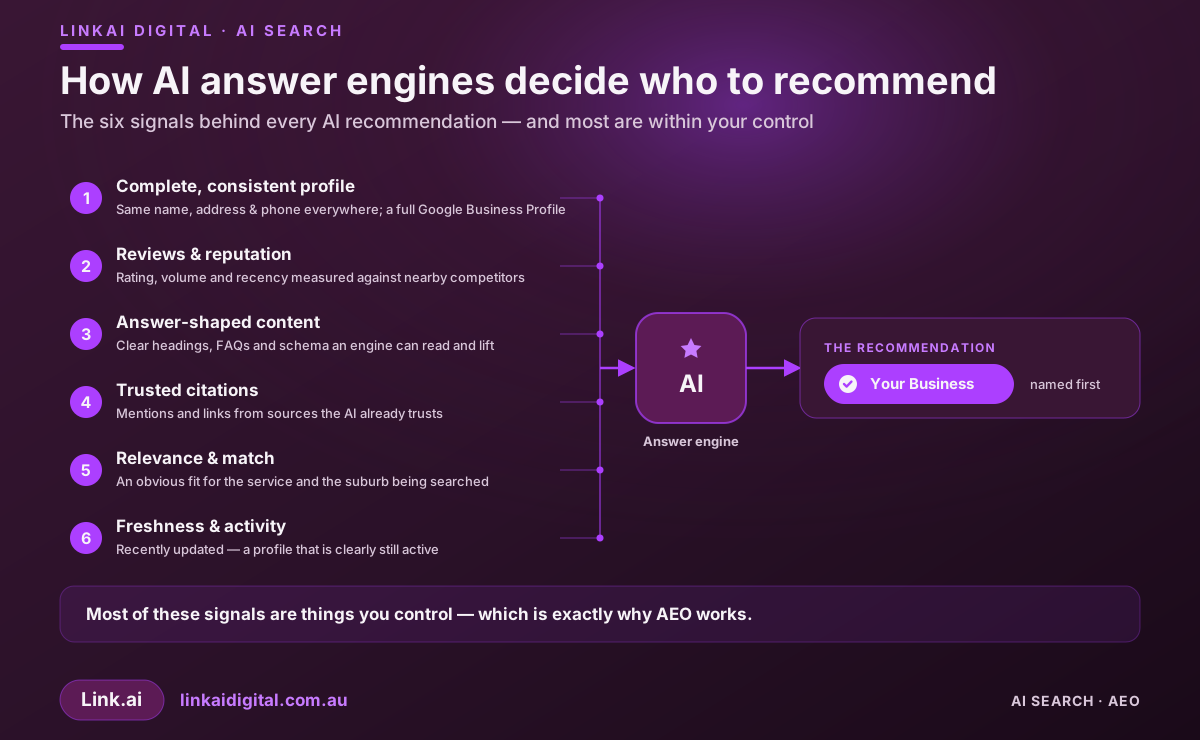
They pull from sources, then summarise
AI answers aren't magic; they're built from sources the engine can find and trust: your Google Business Profile, review platforms, directories, and the content on your site and others'. If those sources clearly say who you are, what you do, and where, you're a candidate. If they're thin, inconsistent or missing, you're not in the conversation.
Consistency and clarity win
Engines reward businesses that are described the same way everywhere: same name, same services, same area. Mixed or missing details create doubt, and doubtful sources don't get cited. This is the same NAP (name, address, phone) consistency that's long mattered for local search, now with higher stakes.
Reviews and relevance
Genuine, recent reviews signal a real, trusted business, a strong factor in who gets recommended. So does relevance: specific content that matches the exact question ("emergency electrician in [area]", "physio for sports injuries") beats generic "we do everything" pages.
What to do about it
Complete and maintain your Google Business Profile, keep your details consistent everywhere, build a steady flow of real reviews, and publish specific content answering real customer questions. Then check how you currently appear with a free AEO scan.
Key takeaways
- AI answers are built from findable, trusted sources, not invented
- Consistent business details across the web make you a citable candidate
- Reviews and specific, relevant content tip recommendations your way
- These signals are largely within your control
Frequently asked questions
Can I pay to be recommended by AI search?
Not in the organic answer. There's no "buy a spot" in an AI recommendation the way there is with ads. You earn it through the trust signals above.
Why does AI recommend a competitor and not me?
Usually because they're more clearly described, better reviewed, or have content that matches the question more precisely. The fix is closing those gaps, not gaming the system.
Do directories still matter?
Yes: consistent listings in reputable directories reinforce who you are and feed the sources AI draws on. Quality and consistency matter more than quantity.
How do I check what AI says about my business?
Ask the tools directly with the questions your customers would use, and run a structured visibility scan to see the gaps.
Want to see where your business stands? Get a free AEO visibility scan, or book a free strategy session.